
Train How You Fight: The Crucial Role of Realistic Training in Self-Defense
In the realm of self-defense, the age-old adage “taking how you fight” holds profound significance. It goes beyond mere physical preparation; it encompasses a mindset that acknowledges the unpredictable nature of real-life threats. In this blog, we delve into the importance of realistic training for self-defense and how adopting this approach can be a game-changer in life-threatening situations.
Understanding the Need for Realism:
1. Simulating Real-World Scenarios: Self-defense situations are seldom textbook scenarios. They can unfold in various ways in various environments and under unpredictable circumstances. Realistic training involves simulation of these scenarios to the best of your ability, incorporating elements such as surprise attacks, multiple assailants, and confined spaces, and weapons that may be used as well like knife, gun, bat, tire iron. While you cannot prepare for every situation and every scenario, training this way ensures that individuals are better prepared to respond effectively when faced with a genuine threat.
2. Stress Inoculation: The human body’s response to stress is a crucial factor in self-defense. Realistic training exposes individuals to controlled stressors, mimicking the physiological and psychological reactions experienced during an actual confrontation. This stress inoculation helps build mental resilience, allowing individuals to think clearly and act decisively under pressure. If you train with someone pointing a firearm, knife, club, or other weapon at you or using it on you, then you are better prepared and have a better understanding of how you will react.
3. Muscle Memory and Reflex Development: Repetition is key to developing muscle memory and reflexes. Training how you fight reinforces the specific movements and techniques required in self-defense situations. This muscle memory can be a lifesaver when fine motor skills are compromised under stress, as it enables individuals to execute defensive actions instinctively. Get used to talking with your hands or having your hand up above your waist. This way you’re ready to respond if need be. If you keep your hands in your pockets or by your waist, then your reaction time is cut down and you are not prepared to defend yourself.
4. Adapting to the Unpredictable: No two self-defense situations are identical. Realistic training emphasizes adaptability by presenting diverse challenges. Whether it’s defending against armed attackers or navigating unfamiliar terrain, individuals trained in a realistic setting are better equipped to assess and respond to the unique demands of each situation. A good training scenario might be as follows: have your attacker drop their weapon and someone else who is playing a bystander pick up the weapon. What are you going to do? What is they bystander going to do? Should you have gone for the weapon? Realistically you need to go for the weapon and get control of it. If you are not training this way, then you need to start. Start running all kinds of scenarios and remember if you have to defend yourself against a knife you are going to get cut. I will repeat that YOU WILL GET CUT! Once you have this mindset and practice this (don’t really cut yourself) you will be better prepared and equipped to defend yourself and the ones you love. Keep this in mind if you have to defend yourself from someone with a firearm. The firearm will go off maybe a couple times. You need to be prepared for the noise. Now do not train with live rounds in a firearm but maybe train with a loud cap gun to get used to the noise. After that move onto an airsoft gun so you know if you are getting hit. I want you to train as realistic as possible while maintaining a safe environment.
The Role of Mental Preparedness:
1. Crisis Decision-Making: Self-defense often demands rapid decision-making under duress. Realistic training hones an individual’s ability to assess threats, evaluate options, and make split-second decisions. This mental preparedness is as crucial as physical skills when it comes to effective self-defense. By training in the realistic methods above you will be able to make split second decisions much better than someone who hasn’t trained in real-world scenarios.
2. Confidence and Composure: Realistic training instills a sense of confidence derived from facing and overcoming simulated challenges. This confidence is not brash or overconfident but is grounded in the knowledge that one has practiced and prepared for a variety of situations. Maintaining composure under stress is a valuable asset in self-defense. Think of airplane pilots, they have to train for all kinds of scenarios, and they can never train for them all. Like Captain Chelsey Burnett “Sully” Sullenberger the III. Sully is a retired American fighter pilot, and airline pilot who is best known for his actions in 2009 while flying US Airways. His flight 1549 had both engines disabled by a bird strike and he had to ditch the plane in the Hudson River. All 155 people on board the plane survived because of his actions. Now Sully did not train for this exact incident but because he had trained on similar incidents, he knew exactly what to do. Sully was able to stay calm, cool, and collected under pressure. You need to make sure you are training properly so you can keep your composure and have confidence under pressure.
In the realm of self-defense, the mantra “train how you fight” is a guiding principle that extends far beyond the training mat. It’s a mindset that cultivates a holistic approach to personal safety-one that encompasses physical, mental, and emotional preparation. Realistic training is an investment in one’s ability to navigate the unexpected and emerge from a threat with resilience and, ultimately, survival. Whether through martial arts, scenario-based drills, and other training methodologies, the path to effective self-defense begins with a commitment to train authentically and to be ready for whatever challenges may arise. At Goldbar Defense we take pride in training our students in real-world scenarios. While we cannot train you for every situation, we will give you the training you need to handle every situation.
Remember when seconds count and help is minutes away, you are your own first responder.
Stay safe my friends.
Pastor Bart Goldbar
Sensei | Instructor
Goldbar Defense LLC
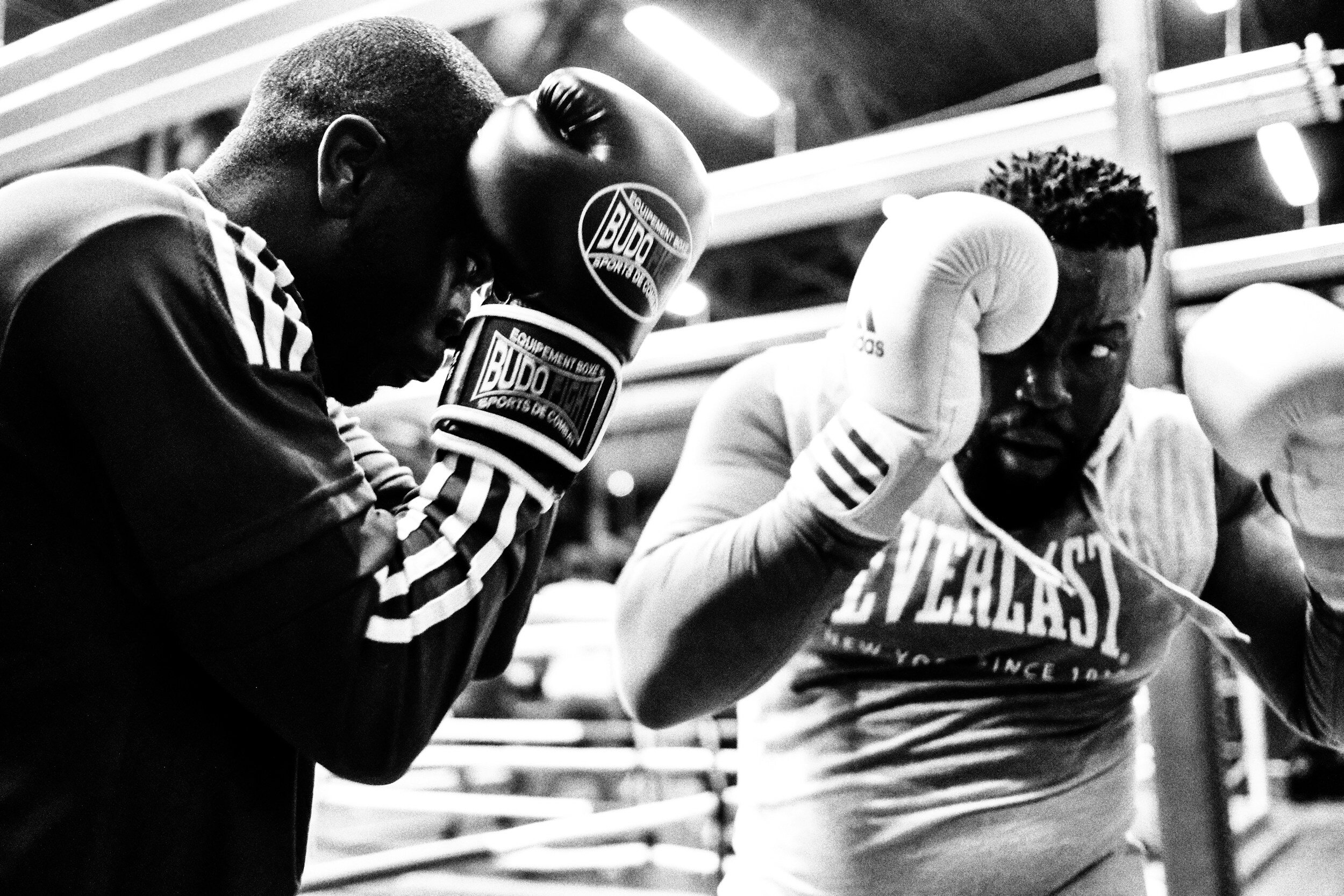
Train How You Fight: The Key to Success in Any Endeavor
In the area of life, whether it be in sprots, business, or personal challenges, the adage “train how you fight” holds profound significance. This principle emphasizes the importance of preparing oneself for the actual circumstances and conditions one is likely to encounter. This concept is deeply ingrained in military training, martial arts, and mma, but extends its relevance to various aspects of life. In this blog, we will explore the significance of training how you fight and how this approach can lead to success and resilience in the face of adversity.
Understanding the Concept:
Training how you fight involves simulating real-world scenarios during your preparation. It’s about creating an environment that closely mimics the challenges, pressures, and conditions you expect to encounter when the stakes are high. This philosophy is not exclusive to physical combat but is equally applicable in fields such as business, sports, and personal development.
1. Improved Performance Under Pressure:
· When you train under conditions that replicate the challenges you’ll face, you build familiarity and resilience. This familiarity can help mitigate the anxiety associated with high-pressure situations.
· Athletes often practice specific game scenarios, business professionals simulate high-stakes presentations, and soldiers undergo realistic training exercises. This prepares them to perform optimally when the stakes are highest.
2. Adaptability and Problem-Solving:
· Training how you fight cultivates adaptability and sharpens problem-solving skills. By encountering and overcoming obstacles in a controlled environment, individuals develop the ability to think on their feet and make effective decisions under pressure.
· Business leaders, for example, benefit from scenario planning and simulations that replicate market fluctuations or unexpected challenges. This allows them to refine their strategies and responses before facing real-world uncertainties.
3. Building Muscle Memory:
· Physical training plays a significant role in this concept. Athletes, soldiers, and performers engage in repetitive, deliberate practice to build muscle memory. When faced with a high-stress situation, this muscle memory kicks in, enabling more automatic and efficient responses.
· For instance, a martial artist trains specific movement repeatedly, making these actions second nature, in a real fight, this muscle memory can be the difference between success and failure.
4. Enhanced Mental Toughness:
· Training under challenging conditions not only hones physical skills but also strengthens mental resilience. Individuals learn to cope with stress, setbacks, and adversity, fostering a mindset of perseverance.
· Business professionals who have faced simulated crises during training are better equipped to handle unexpected challenges. This mental toughness is a crucial asset in navigating the uncertainties of any endeavor.
In the journey towards success, whether on the battlefield of sports, business, or personal growth, the principle of training how you fight emerges as a guiding philosophy. By immersing oneself in realistic scenarios during preparation, individuals can cultivate the skills, mindset, and resilience needed to thrive in the face of adversity. The disciplined application of this principle serves as a blueprint for success, allowing individuals to confront challenges with confidence, adaptability, and a strategic mindset. So. The next time you embark on a new challenge, remember train how you fight, and you’ll be better prepared to emerge victorious.
Remember when seconds count and help is minutes away, you are your own first responder.
Stay safe my friends.
Pastor Bart Goldbar
Sensei | Instructor
Goldbar Defense LLC
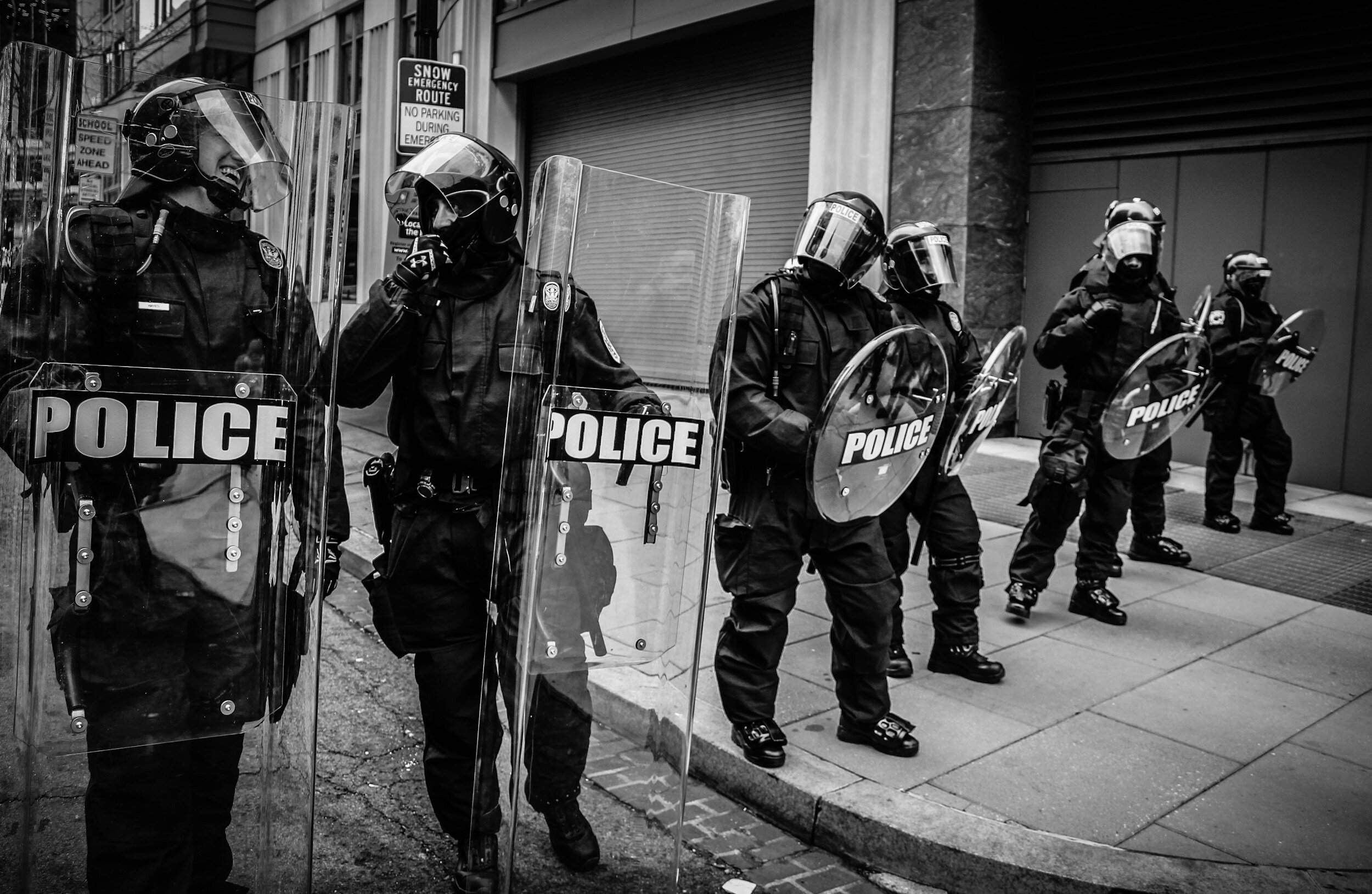
The Crucial Distinction: Cover vs. Concealment in Self-Defense
In a world where personal safety is a growing concern, individuals must equip themselves with the knowledge and skills necessary for self-defense. One often overlooked aspect of this preparation is understanding the critical difference between cover and concealment, between Hollywood and reality. While these terms may seem synonymous at first glance, they play distinct roles in enhancing one’s ability to survive a potentially life-threatening situation. In the blog, we will delve into the importance of knowing the difference between cover and concealment and how this knowledge can be a game-changer in self-defense scenarios.
1. Defining Cover and Concealment:
· Cover: In self-defense terminology, cover refers to any object or structure that provides protection from bullets, projectiles, or other potential threats. Examples include concrete walls, steel barriers, and solid wood or metal furniture and doors that are a couple inches thick.
· Concealment: Concealment, on the other hand, refers to an object or structure that hides you from an assailant’s view but may not necessarily offer protection from gunfire or other threats. Examples include curtains, bushes, or smoke.
2. The Importance of Kowing the Difference:
· Enhanced Survival Odds: Understanding the distinction between cover and concealment is crucial for increasing your chances of survival in a self-defense scenario. Taking cover behind a solid barrier significantly reduces the risk of being hit by bullets or projectiles.
· Strategic Decision-Making: In the heat of a crisis, quick and informed decisions can make all the difference, recognizing whether a given environment provides cover or just concealment allows you to make strategic choices about where to position yourself for maximum safety.
· Effective Use of Resources: In self-defense situations, resources are often limited knowing the difference between cover and concealment enables you to effectively use your surrounding to your advantage, utilizing true protection when available and using concealment for evasion.
3. Examples in Real-Life Scenarios:
· Home Invasion: If faced with a home invasion, understanding which areas in your home offer cover (such as a reinforced door or a solid piece of furniture) can give you a significant advantage in protecting yourself and your loved ones.
· Steet Encounter: In a street encounter where finding cover might be challenging, knowing how to use concealment effectively (such as hiding behind a car, dumpster, large tree, or bushes) can help you avoid detection and create an opportunity for escape.
4. Training for Cover and Concealment:
· Simulated Scenarios: Self-defense training should incorporate simulated scenarios that emphasize the use of cover and concealment. This hands-on experience allows individuals to develop the necessary instincts for making split-second decisions in high-stress situations.
· Firearm Training: For those who choose to carry a firearm for self-defense, understanding the ballistic capabilities of different objects as cover is essential. For example, a car door is not going to act as cover. Hollywood may have law enforcement in movies and on T.V. use their vehicle doors for cover but in the real world they will not stop bullets. Training on how to use cover effectively can be a key component of firearm instruction.
In the realm of self-defense, knowledge is power, and understanding the difference between cover and concealment is a prime example of this principle. Equipping oneself with this crucial information can be the determining factor in surviving a life-threatening situation. Whether at home, on the street, or in a public space, individuals who prioritize this aspect of self-defense training enhance the3ir ability to make informed decisions and increase their overall safety. In the complex landscape of personal security, knowing where to find cover and how to use concealment wisely can make all the difference between vulnerability and empowerment.
Remember when seconds count and help is minutes away, you are your own first responder.
Stay safe my friends.
Pastor Bart Goldbar
Sensei | Instructor
Goldbar Defense LLC

The Art of De-Escalation: Navigating Everyday Challenges with Grace
In the business of our everyday lives, conflicts and tensions are inevitable. Whether it’s a disagreement at work, a misunderstanding with a friend, or a heated exchange with a family member, the ability to de-escalate a situation is a valuable skill that can foster better relationships and create a more harmonious environment. In the blog, we will explore the significance of de-escalation techniques and how incorporating them into our everyday lives can lead to more positive outcomes in various situations and scenarios.
Understanding De-Escalation:
De-escalation is the process of calming or diffusing a potentially volatile situation. It involves using communication, empathy, and active listening to prevent conflicts from escalating further. De-escalation techniques are not only crucial in high-stakes environments, such as law enforcement or crisis intervention, but they also play a vital role in our everyday interactions.
Importance of De-Escalation in Everyday Life:
1. Improved Communication: De-escalation techniques emphasize effective communication. By actively listening to others, acknowledging their feelings, and expressing ourselves clearly, we can create an atmosphere conducive to understating and resolution. This leads to better relationships and fewer misunderstandings.
2. Conflict Resolution: Conflicts are a natural part of human interaction. De-escalation techniques provide a roadmap for resolving conflicts peacefully. Instead of escalating a disagreement, individuals can work together to find common ground and reach a compromise that satisfies both parties.
3. Stress Reduction: Tensions and conflicts contribute to stress, affecting both our mental and physical well-being. Learning to de-escalate situations helps to reduce stress levels by preventing minor issues form snowballing into major problems. This, in turn, promotes a healthier and more positive lifestyle.
4. Building Empathy: De-escalation involves putting oneself in the shoes of others to understand their perspectives and emotions. This process fosters empathy, creating a more compassionate and understanding community. When people feel heard and understood, they are more likely to cooperate and find common ground.
5. Promoting a Positive Environment: Whether at home, work, or in social settings, a positive and harmonious environment is conducive to productivity, creativity, and overall well-being. De-escalation techniques contribute to creating such an environment by preventing conflicts from disrupting the peace and harmony of a space.
Practice De-Escalation Techniques:
1. Active Listening: Paying full attention to what others are saying, without interrupting, demonstrates respect and understanding. Reflecting back on what you’ve heard shows that you value the other person’s perspective.
2. Stay Calm: Maintaining your composure in a tense situation is crucial. Your calm demeanor can have a calming effect on others, making it easier to find common ground.
3. Use “I” Statements: When expressing your feeling or concerns, use “I” statements to avoid sounding accusatory. For example, say “I feel frustrated when…” Instead of “You always…”
4. Empathize: Try to understand the emotions and perspectives of others. Expressing empathy can defuse tension and create a more cooperative atmosphere.
5. Take a Break: If a situation is escalating and emotions are running high, suggest taking a break to cool off. This can prevent things from spiraling out of control and allow everyone involved to approach the issue with a clearer mindset.
Incorporating de-escalation techniques into our daily lives is a powerful way to foster positive relationships, enhance communication, and create a more harmonious environment. By valuing empathy, active listening, and maintaining composure, we can navigate the inevitable conflicts and challenges with grace, ultimately leading to a more fulfilling and satisfying life.
Remember when seconds count and help is minutes away, you are your own first responder.
Stay safe my friends.
Pastor Bart Goldbar
Sensei | Instructor
Goldbar Defense LLC

The Vital Role of De-Escalation Techniques in Church Security
In recent years, the importance of security in places of worship has become increasingly evident. Churches, once considered sanctuaries of peace, are not immune to the potential threats that can arise in today’s unpredictable world. While it is crucial to implement physical security measures, an often overlooked yet equally essential aspect of church security is the use of de-escalation techniques. These methods focus on diffusing tense situations and promoting peaceful resolutions, aligning seamlessly with the principles of compassion, and understanding that lie at the core of religious teachings.
Understanding De-Escalation:
De-escalation is a set of communication strategies designed to prevent or resolve conflicts before they escalate into violence in the context of church security, these techniques serve as a bridge between maintaining a welcoming atmosphere and ensuring the safety of congregants and staff. De-escalation involves active listening, empathy, and effective communication to address potentially volatile situations calmly.
Key De-Escalation Techniques:
1. Active Listening: Active Listening is a fundamental de-escalation technique. It involves giving full attention to what the other person is saying, without interruption or judgement. In a church setting, security personnel can benefit from actively listening to congregants expressing concerns or grievances, allowing them to feel heard and acknowledged.
2. Empathy: Empathy is the ability to understand and share the feelings of another. When dealing with individuals in distress, expressing empathy can be a powerful de-escalation tool. Church security personnel trained in empathy can create a connection with those experiencing emotional turmoil, helping to defuse potential conflicts.
3. Effective Communication: Clear and concise communication is essential in preventing misunderstandings that could lead to conflict. Church security teams should be trained to communicate calmly and assertively, providing clear instructions and information to those involved in a situation.
4. Crisis Intervention Training: Specialized training in crisis intervention equips security personnel with the skills needed to handle high-stress situations. This training covers de-escalation techniques, rusk assessment, and communication strategies specific to diffusing conflicts within a church environment.
Importance in Church Security:
1. Preserving the Sanctity of Worship: Implementing de-escalation techniques in church security is crucial for preserving the sanctity of worship. By addressing conflicts peacefully, the focus can remain on spiritual growth and community building rather than disruptions that may arise from misunderstandings.
2. Promoting a Safe Environment: De-escalation techniques contribute to creating a safe and secure environment within the church. By preventing conflicts from escalating into violence, these methods help maintain a sense of security for congregants, fostering a positive and welcoming atmosphere.
3. Reflecting Religious Principles: Christianity emphasizes values of compassion, forgiveness, grace, love, and understanding. Integrating de-escalation techniques into church security aligns with these principles, reinforcing the teachings of Jesus Christ about love, grace, compassion, forgiveness, and harmony that form the foundation of our faith.
In an era where security concerns are increasingly prevalent, the role of de-escalation techniques in church security cannot be overstated. By prioritizing communication, empathy, and active listening, churches can strike a balance between maintaining a welcoming atmosphere and ensuring the safety of their congregants. As guardians of both physical and spiritual well-being, church security personnel play a crucial role in upholding the sanctity of worship spaces while navigating the challenges of the modern world.
Remember when seconds count and help is minutes away, you are your own first responder.
Stay safe my friends.
Pastor Bart Goldbar
Sensei | Instructor
Goldbar Defense LLC
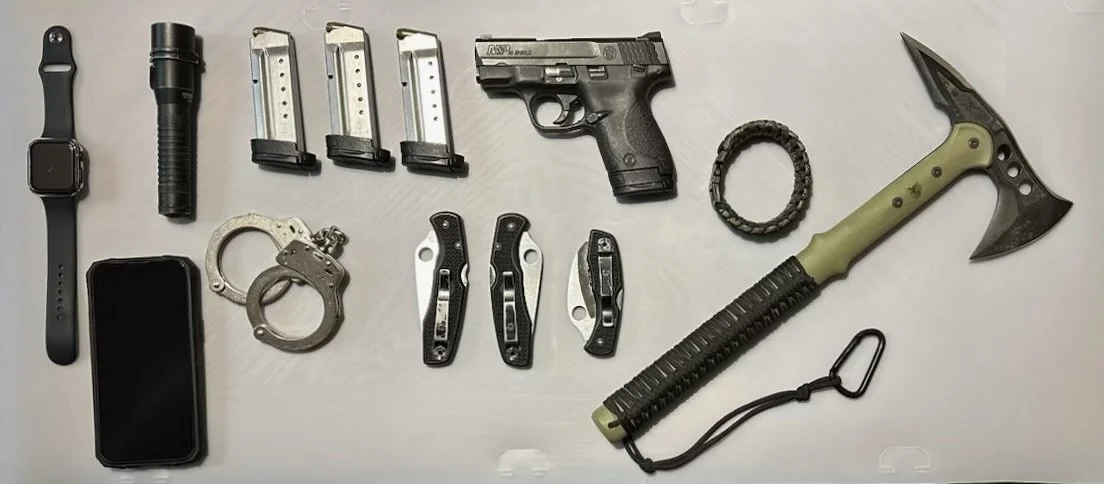
The Everyday Comfort: Embracing the Importance of Your EDC Essentials
In the hustle and bustle of daily life, the concept of Everyday Carry (EDC) has gained significant popularity. EDC refers to the collection of items that you carry with you on a daily basis to navigate the challenges and opportunities life throws your way. Now this blog is not going to get into what items are best for your EDC, or which ones we recommend you carry. What you choose to carry is up to you, after all you know what you are comfortable carrying and what works for you. While the practicality of these items is evident, there is a deeper layer to the EDC philosophy-One That revolves around the importance of being comfortable with your essentials. Let’s explore why finding comfort in your EDC items goes beyond mere convenience.
1. Efficiency in Daily Tasks:
Comfort with your EDC items translates to efficiency in daily tasks. When your tools and accessories are familiar and well-suited to your needs, you can navigate your day seamlessly. Whether it’s a multitool that comes in handy for unexpected challenges or a well-organized wallet that streamlines your financial transactions, the comfort derived from these items enhances your overall productivity.
· Where do you work, what do you do?
· What do you need to complete your daily tasks?
· If an emergency were to happen are you prepared?
· Your EDC choices should help you in your daily tasks and in case of an emergency.
2. Security and Preparedness:
The psychological comfort derived from being prepared is immeasurable. Knowing that you have the right tools in your pocket, like a reliable flashlight or a pocketknife, can instill a sense of security. This preparedness extends beyond physical tools; it also involves the peace of mind that comes with knowing you are equipped to handle unforeseen situations, promoting a confident and proactive mindset. You don’t want a utility belt full of stuff weighing you down just in case something happens. You need to choose what you are going to carry, some poelple carry five items while others carry seven or eight. It depends on where you work, where you may travel, what you may encounter, what you are trained to do in an emergency (CPR, First Aid), and what you feel comfortable doing. Everyday items you may be but not limited to:
· Gun
· Knife
· Flashlight
· Pepper spray
· Tactical Pen
· Self-Defense Key Chain
· Whistle
· Handcuffs or Zip Ties
· Tourniquet
· Phone
3. Personalization and Identity:
Your EDC items are an extension of yourself. The act of curating and personalizing your everyday carry allows you to express your personality and values. It becomes a reflection of who you are and what you find important. This personalization fosters a sense of identity and connection with your belongings, making them more than just tools-they become companions on your life’s journey. Don’t carry items because you think they look cool, or a friend/family member suggested them. Make sure you are familiar with, and comfortable using every item you decide to carry. I’m not going to carry a tourniquet unless I know how to use one and I’m comfortable using it.
4. Adaptability to Changing Environments:
Life is dynamic, and so are the environments we navigate. Being comfortable with your EDC items means they are versatile and adaptable to various situations. Whether you’re in the office, outdoors, or traveling, having a set of items that can seamlessly transition between environments ensures that you are always well-equipped, fostering a sense of ease and flexibility. You need to be able to change your EDC depending on what you might do any given day.
· If I’m going to the courthouse or my kids school for anything and I usually carry a gun, knife, and pepper spray, then I’m not going to take those items into a federal building or school where it’s against the law. I need to adjust my EDC depending on that task. If I’m going to leave items in my car, do I have a way to secure them so someone can’t break into my vehicle and steal them?
· If I decide to go on a hike my EDC changes a little. I may add or subtract some items. I may want to add a first aid kit. How big is it going to be and where will I carry it. If I’m in bear country, what size bear spray am I going to carry and where will I carry it. I want to make sure my firearm and bear spray are easily accessible.
· If I’m working security, I need to keep in mind what scenarios I might encounter. This will help me decide what I want to take away from my EDC or add to my EDC. I have worked on, and lead church security teams and I always add handcuffs and zip ties to my EDC on Sundays. Hopefully I never have to restrain someone until the police arrive, but if I need to I am able to do so.
5. Mindfulness and Intentionality:
The process of selecting and refining your EDC items encourages mindfulness and intentionality. By carefully choosing what you carry, you develop a heightened awareness of your needs and priorities. This intentional approach to your daily essentials can extend to other aspects of your life, promoting a mindful and purposeful mindset in your decision-making process.
In a world that often feels chaotic, unpredictable, and out of our control, finding comfort in the items we carry on a daily basis is a small but powerful way to regain control. Your EDC essentials are not just tools; they are your companions in the journey of life, providing a sense of security, identity, and preparedness. Embrace the importance of being comfortable with your Everyday Carry items, and you’ll find that the benefits extend far beyond mere practicality-they touch the very essence of how you navigate and experience the world.
Remember when seconds count and help is minutes away, you are your own first responder.
Stay safe my friends.
Pastor Bart Goldbar
Sensei | Instructor
Goldbar Defense LLC
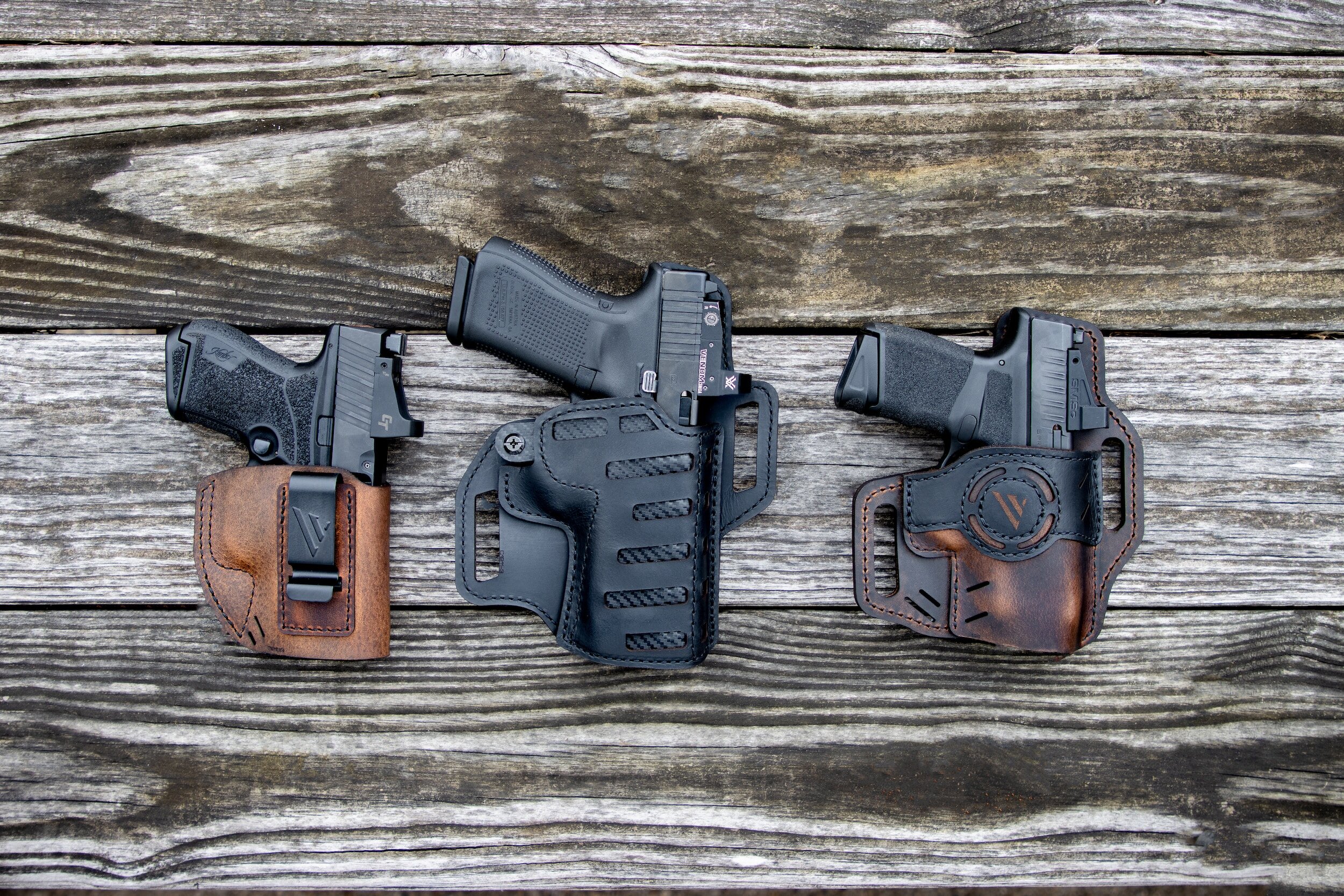
Before you carry: Considerations for Carrying a Firearm or Any Other Weapon
In a world where personal safety is a paramount concern, the decision to carry a firearm or other weapon is a significant one that requires careful consideration. While the right to bear arms is protected in many places, the responsibility that comes with it cannot be overstated. Before you decide to carry a firearm or another weapon, there are several crucial factors to ponder. This blog explores key considerations that should guide your decision-making process.
1. Legal Requirements and Regulations:
Before obtaining any weapon, it is imperative to thoroughly research and understand the local, state, and national laws and regulations governing firearm ownership and carry. Different jurisdictions have varying requirements, such as age restrictions, background, checks, and permits. Ignorance of the law is not an excuse, so ensure you are well-informed and compliant with all relevant regulations. Right now, our State of Montana is a Constitutional Carry state meaning you do not need a concealed carry permit to concealed carry. However, if you would like to obtain your Concealed Carry Permit (CCP) Goldbar Defense can help you out with that. While we cannot issue the permit ourselves, we do offer the practical shooting and safety class to help you acquire your CCP.
2. Training and Education:
Owning a firearm or any other weapon comes with the responsibility of knowing how to use it safely and effectively. Enrolling in a reputable firearms training course like the ones we have at Goldbar Defense is highly recommended. Our courses cover essential topics such as firearm safety, marksmanship, and the legal use of force. Regular practice at a certified shooting range is also crucial to maintain proficiency.
3. Purpose of Carry:
Consider why you want to carry a firearm or weapon. Is it for personal protection, sport, or both? Understanding your motivation will help guide your choices in terms of the type of weapon, holster, and training you pursue. Your purpose should align with your commitment to safety, responsible ownership, and adherence to the law. Remember just because you choose to carry a weapon does not mean you get an invincibility shield, a fix to someone’s bad attitude. Just because you choose to carry this does not mean you get to go or do things you wouldn’t have done otherwise. Your actions, whether justified or not will have legal ramifications.
4. Psychological Preparedness:
Carrying a weapon requires a certain level of mental readiness, it is essential to be aware of the potential consequences of using a firearm and to develop a mindset that prioritizes de-escalation and avoidance of conflicts. Seek out resources on situational awareness and conflict resolution to enhance your ability to navigate potentially dangerous situations. At Goldbar Defense we will teach you all about the legalities you may face but we encourage you to have a couple of different sources don’t rely on one.
5. Holster Selection and Carry Method:
Choosing the right holster and carry method is as important as selecting the weapon itself. The holster should securely hold the firearm, provide quick access, and be comfortable for extended periods. Different carry methods, such as inside-the-waistband (IWB) or outside-the-waistband (OWB), cater to different preferences and body types. Experiment with different options to find what works best for you.
6. Continued Evaluation and Adaptation:
Once you begin carrying a firearm or weapon, it is crucial to regularly reassess your choices. This includes evaluation of your training regimen, ensuring your equipment is in good condition, and staying informed about any changes in laws or regulations. Regular self-assessment and a commitment to ongoing education contribute to responsible gun ownership.
The decision to carry a firearm or other weapon is a serious one that demands careful consideration and responsibility. Legal compliance, proper training, understanding your motivations, psychological preparedness, holster selection, and continuous evaluation are all vital aspects of responsible firearm ownership. By taking these considerations seriously, you can better ensure the safety of yourself and those around you, fostering a culture of responsible gun ownership.
Remember when seconds count and help is minutes away, you are your own first responder.
Stay safe my friends.
Pastor Bart Goldbar
Sensei | Instructor
Goldbar Defense LLC
Empowering Self-Defense: The Crucial Role of Scenario-Based Training
In a world where personal safety is a priority, the need for effective real world self-defense skills cannot be overstated. Traditional self-defense training often focuses on teaching techniques in isolation, but the true test lies in the ability to apply these skills in real-world situations. This is where scenario-based training proves to be invaluable, offering a dynamic and immersive approach that prepares individuals for the unpredictable nature of self-defense scenarios.
Realistic Preparedness
Scenario-based training for self-defense goes beyond the practice of specific moves and techniques. It simulates real-life situations, helping individuals develop the instincts and decision-making skills needed to respond effectively in a crisis. By replicating the chaos and stress of actual encounters, this type of training prepares individuals for the unexpected, fostering a sense of realistic preparedness that can be a game-changer in moments of danger.
Adapting to Various Threats
Self-defense scenarios can vary widely, from verbal confrontations to physical altercations. Scenario-based training exposes individuals to a range of threats and situations, allowing them to adapt their skills accordingly. Whether facing a potential assailant, navigating a crowded space, or dealing with multiple attackers, this training methodology ensures that individuals can adjust their responses to the specific challenges they nay encounter in different scenarios.
Building Confidence Under Pressure
Confidence is a key component of effective self-defense. Scenario-based training provides a safe and controlled environment for individuals to confront and overcome their fears. By repeatedly exposing participants to simulated threats, they become more Confident in their ability to assess situations, make quick decisions, and take appropriate action. This newfound confidence can be a powerful deterrent and may even prevent potential threats from escalating.
Enhanced Situational Awareness
Self-defense is not just about physical techniques; it’s also about being aware of one’s surroundings and potential threats. Scenario-based training emphasizes situational awareness, teaching individuals to stay vigilant and recognize early signs of danger. By honing these observational skills in realistic scenarios, participants develop a heightened sense of awareness (hypervigilance) that can be crucial for avoiding potentially dangerous situations altogether.
Emphasizing Legal and Ethical Considerations
In the heat of a self-defense situation, decisions made under pressure can have legal and ethical ramifications. Scenario-based training provides an opportunity to discuss and practice the legal and ethical aspects of self-defense. Participants learn about the appropriate use of force, understanding when to escalate or de-escalate a situation, and the importance of making split-second decisions that align with the law.
Retaining Muscle Memory
Muscle memory is a critical component of effective self-defense. Scenario-based training allows individuals to practice their skills in a dynamic and realistic setting, reinforcing muscle memory through repetition. This ensures that, in a high-stress situation, individuals can react instinctively and execute self-defense techniques with precision, reducing the risk of fumbling under pressure.
Scenario-based training is a transformative approach to self-defense, offering a holistic and practical method for preparing individuals to navigate the complexities of real-world threats. By emphasizing realistic preparedness, adapting to various threat, building confidence under pressure, enhancing situational awareness, addressing legal and ethical considerations, and reinforcing muscle memory, this training methodology empower individuals to protect themselves with both skill and confidence. As the importance of personal safety continues to be at the forefront of individuals’ concerns, integrating scenario-based training into self-defense programs becomes not just beneficial but essential for creating a safer and more empowered society.
At Goldbar Defense we teach real-world self-defense. Our techniques are not flamboyant, they don’t look pretty, but they work! We focus on self-defense training in real-world scenarios with a single attacker, multiple attackers, attacks with knives, firearms, clubs, bats, ect. From one assailant or multiple. At Goldbar Defense you will be able to defend yourself and those you love from dangerous situations by avoiding them altogether or if the situation escalates then using our self-defense tactics.
Remember when seconds count and help is minutes away, you are your own first responder.
Stay safe my friends.
Pastor Bart Goldbar
Sensei | Instructor
Goldbar Defense LLC
Mastering the Basics: The Crucial Importance of Dry Fire Drills at Home and the Gun Range
In the world of firearms training, there’s a fundamental principle that stands tall above the rest: practice makes perfect. While live-fire exercises are essential for honing your shooting skills, the often-overlooked dry fire drills at home and the gun range paly a pivotal role in mastering the are of marksmanship. In the blog, we will explore the significance of incorporating dry fire drills into your training regimen and how they contribute to building a solid foundation for responsible and effective firearm use.
First off before you start your drills, please follow the four safety rules every gun owner should follow no matter where they are practicing, the firearm is loaded with live rounds, dummy rounds, or unloaded.
1. Always treat every firearm as if it were loaded.
2. Always point the firearm at anything you are not willing to destroy.
3. Always keep your finger off the trigger and outside the trigger guard.
4. Always know your target, what’s beyond it, and what’s around it.
Understanding Dry Fire Drills:
Dry fire drills involve simulating the act of firing a gun without ammunition. This allows shooters to practice various aspects of shooting, such as trigger control, sight alignment, drawing from a holster, and placing your firearm back in your holster without looking, in a controlled and safe environment. The absence of live rounds ensures that no accidental discharges can occur, making it a valuable tool for both beginners and experienced shooters.
Developing Muscle Memory:
One of the primary benefits of dry fire drills is the development of muscle memory. Repetitive actions, such as proper trigger control and sight alignment, become ingrained into your subconscious. This muscle memory translates into more consistent and accurate shooting when transitioning to live fire. By practicing these fundamental skills regularly, you build a foundation that can be relied upon in high-stress situations.
Cost-Effective Training:
Live ammunition costs are on the rise, and frequent trips to the gun range can add up quickly with the cost of gas going up as well. Dry fire drills provide a cost-effective alternative to live fire exercises, allowing shooters to practice regularly without breaking the bank. This accessibility encourages consistent training, ensuring that skill development continues over time.
Safe and Controlled Environment:
Safety should always be the top priority when handling firearms. Dry fire drills offer a controlled environment where shooters can focus on techniques without the distraction of live rounds and the recoil of their firearm. This controlled setting allows for the identification and correction of bad habits, ultimately contributing to a safer overall shooting experience.
Holster Proficiency:
For those who carry concealed, mastering the art of drawing form a holster is crucial. Dry fire drills allow individuals to practice drawing and presenting their firearm safely and efficiently. This skill is invaluable in self-defense situations where split-second decisions can make all the difference. Individuals will be able to learn:
1. Where they prefer to carry their firearm Appendix, three o’clock, six o’clock, ect.
2. How to draw their firearm form concealment
3. How to holster their firearm without looking
4. What holster works for them Leather, Kydex, or a combination of both
5. Why holster retention is important, if you can’t run with your gun holstered you need a new holster!
6. Do you want to carry more than on magazine, where are you going to carry it
Enhancing Mental Focus:
Beyond the physical aspects of shooting, dry fire drills also contribute to mental focus and discipline. By consciously engaging in the repetitive motions required for accurate shooting, shooters develop a heightened sense of concentration and mindfulness. This mental discipline is transferable to live fire scenarios, where split-second decisions and clear thinking are essential.
In the pursuit of mastery, every toll at a shooter’s disposal should be utilized, and dry fire drills are no exception. Whether practiced at home or at the gun range, these drills provide an opportunity to refine essential skills, build muscle memory, and foster a mindset of safety and precision. By incorporating dry fire drills into your training routine, you not only enhance your proficiency with firearms but also contribute to a culture of responsible gun ownership and usage. Remember, becoming a skilled and responsible shooter requires a holistic approach, and dry fire frills are a critical piece of that puzzle.
Remember when seconds count and help is minutes away, you are your own first responder.
Stay safe my friends.
Pastor Bart Goldbar
Sensei | Instructor
Goldbar Defense LLC

Self-Defense Shootings and the Complex Legal Landscape: Navigating the Legal Aftermath
In a world where personal safety is a growing concern, individuals may find themselves facing situations where they must use lethal force in self-defense. While the act of defending oneself or others is generally seen as a fundamental right, the legal aftermath of a self-defense shooting can be intricate and challenging to navigate. Understanding the legal implications and consequences is crucial for those who find themselves in such unfortunate circumstances.
The Right to Self-Defense:
The right to self-defense is deeply rooted in many legal systems around the world. In the United States, for example, the right to protect oneself is enshrined in both state and federal laws. However, the use of lethal force is typically subject to strict conditions. The concept of “reasonable doubt” is central. Meaning that the force used must be proportionate to the perceived threat. For example, if a threat to you included getting bruised or a bloody nose then its unreasonable for you to respond with a use of force that could break bones, permanently disfigure your attacker, or even end your attacker’s life.
The other concept that is brought up is the “reasonable person” defense. Meaning, would a reasonable person with no self-defense training, firearms, training, or any other sort of training take the same steps as you. Meaning would they have gone through the same dark ally you went through or would they have gone around the ally. Just because you carry a firearm or have special training, you don’t have the right to put yourself in dangerous situations where you might have to use your training. If a person without training wouldn’t go, there then you shouldn’t go there either.
Immediate Threat and Imminent Danger:
One of the key elements in a self-defense claim is the presence of an immediate threat and imminent danger. The person using lethal force must reasonably believe that their life or the lives of others are in immediate jeopardy. This subjective assessment becomes a crucial factor during any subsequent legal proceedings. The legalities you must keep in mind are:
You must be in immediate fear of death or great/grave bodily harm for yourself or another person.
2. You must be an innocent party
3. You must prove no lesser force was sufficient or available to stop the threat
4. You must have no reasonable means of retreat or escape from the assailant
Keep in mind that your right to retreat has been removed in a number of states through enhanced “Castle Doctrine” laws, it is your obligation to understand your rights and obligations under your state’s laws.
Duty to Retreat:
In some jurisdictions, there is a legal concept known as the “duty to retreat.” This means that, if possible, an individual is obligated to attempt to escape or avoid a confrontation before resorting to the use of lethal force. However, many jurisdictions also recognize the principle of “stand you ground,” or “Castle Doctrine”, which allows individuals to defend themselves without first attempting to retreat. As stated before you must Keep in mind that your right to retreat has been removed in a number of states through enhanced “Castle Doctrine” laws, it is your obligation to understand your rights and obligations under your state’s laws.
Legal Aftermath:
The aftermath of a self-defense shooting involves an intricate legal process that varies by jurisdiction. Immediate actions following an incident may include contacting law enforcement and requesting legal representation. It’s vital to remember that statements made at the scene can be used as evidence later on, so careful consideration is essential. We’re not telling you not to talk to the police but be clear with your answers and to the point. Your four-part statement to the police should be as follows:
1. I was attacked make sure to point who (the person or persons)
2. There is the evidence (point out anything that was used as a weapon against you)
3. Point out witnesses even if its only one person, let the police know there was a witness
4. I’ve spoken with or left a message for ________ (name your attorney) and let them know you are going to wait until (he/she) arrives to give a statement and sign a complaint.
The police don’t want to hear your life story, they are there to gather evidence. They want to hear what happened and get your side of the incident. You might even be arrested and put in jail depending on the circumstances of the incident. If there is enough reasonable proof that it was a self-defense situation, then you may be free to go home. The key word here is “may”. If this happens remember you have approximately forty-eight hours (depending on your state’s laws) to get legal representation and make a statement.
Investigation and Charging Decision:
Law enforcement will conduct a thorough investigation to determine the circumstances surrounding the shooting. Prosecutors will then decide whether to press charges based on the available evidence and the common man defense. A grand jury may be involved in some cases, depending on the jurisdiction.
Criminal and Civil Liability:
If charges are filed, the individual involved in the shooting, will face a criminal trial. The legal standard for self-defense may be a central focus during the proceedings. Simultaneously, there may be civil consequences, as the deceased’s family could pursue a wrongful death lawsuit. Even if acquitted in criminal court, an individual might still face civil liability.
Navigating the legal aftermath of a self-defense shooting is a complex and emotionally challenging experience. Understanding the nuances of self-defense laws, cooperating with law enforcement, and securing legal representation are essential steps. While self-defense is a recognized right, the legal landscape surrounding its application demands careful attention and adherence to the principles governing the use of lethal force.
Remember this is a brief overview of the use of force in a shooting. At Goldbar Defense we will walk you through the legal proceedings. We will teach you situational awareness so you can potentially avoid a situation that may turn deadly. In any self-defense situation there are usually three fights you have to win:
1. The Physical Fight
2. The Legal Fight
3. The Civil Fight
We never want to be in life-or-death situation, we want to avoid this at all costs. If we find ourselves in a life-or-death situation, then we want to make sure we fully understand the legal repercussions of our actions.
Remember when seconds count and help is minutes away, you are your own first responder.
Stay safe my friends.
Pastor Bart Goldbar
Sensei | Instructor
Goldbar Defense LLC

The Fundamentals of Home Security: Protecting Your Investment
Your home is your sanctuary, the place where you and your loved ones have made memories. It’s the place where you and your loved ones should feel safe and secure. Home Security is not just about locking your doors and windows; it’s about creating a comprehensive system that safeguards your property, possessions, and most importantly, your family. In this blog, we’ll explore the fundamentals of home security, offering practical tips and advice to help you protect what matters most.
1. Locks and Reinforcements
The first line of defense for any home are the entry points – doors and windows. Secure them with high-quality locks and reinforcements.
Consider the following:
· Deadbolts: Install deadbolt locks on all exterior doors. These provide additional security beyond standard locksets.
· Reinforce Entry Points: Strengthen door frames and window sashes with metal plates or security film to deter forced entry. Install strike plates with three inch screws that go into the door frame. This will make it harder for someone to break into your home.
· Key Control: Keep track of your keys and avoid leaving spare keys in easily accessible places, such as under doormats or flowerpots.
· Sliding Doors and Windows: Install bar or rod locks to prevent sliding doors and windows from being forced open.
2. Alarm Systems
Modern alarm systems are an essential component of home security. These systems typically include:
· Intrusion Detection: Sensors placed on doors and windows can trigger alarms when unauthorized entry is attempted.
· Motion Sensors: These detect movement within your home and can activate alarms when unexpected motion is detected.
· Monitoring Services: Consider subscribing to a monitoring service that can alert authorities in the event of a security breach.
· Visible Signage: Displaying signs indicating that your home is protected by an alarm system can deter potential burglars.
3. Security Cameras
Security cameras provide both surveillance and a deterrent effect. Here’s how you can make the most of them:
· Placement: Position cameras at key entry points and vulnerable areas around your home.
· Wi-Fi Cameras: Modern security cameras often connect to your Wi-Fi network and allow remote monitoring through a smartphone app.
· Recording: Consider cameras with recording capabilities to have a record of events for later review.
· Indoor Cameras: Installing indoor cameras can help keep an eye on your home’s interior, particularly if you’re away.
4. Lighting
A well-lit home can deter criminals and enhance overall safety. Use these lighting strategies:
· Outdoor Lighting: Install motion-activated lights near entryways, pathways, and dark areas around your property.
· Timers: Use timers to create the illusion of an occupied home when you’re away, controlling both indoor and outdoor lights.
· Smart Lighting: Smart home technology allows you to control lights remotely, enhancing security and energy efficiency.
5. Access Control
Control who enters your home and when:
· Keyless Entry: Consider keyless entry systems with PIN codes or smart locks that you can control from your smartphone.
· Intercom Systems: An intercom at your front door allows you to communicate with visitors before granting access.
· Secure Your Garage: Ensure that your garage is secure, as it can provide easy access to your home. Use a strong garage door lock and consider an automatic garage door opener with security features.
6. Landscaping
Landscaping can both enhance and compromise your home security. Here are some tips:
· Clear Sightlines: Trim shrubs and bushes near windows to eliminate hiding spots for potential intruders.
· Secure Fencing: Use fencing that does; t provide easy access to your backyard and consider motion-activated lights near the fence.
· Property Marking: Engrave your valuables with a unique identification mark, making them harder to sell and easier to recover.
7. Neighborhood Watch
Community involvement is another layer of protection. Consider joining or starting a neighborhood watch program to promote safety and security in your area.
When criminals are staking out a potential neighborhood or house to burglarize the last thing, they want is nosy neighbors watching them or asking them questions. Criminals do not want to attract any attention to themselves, they want to be low key and blend in. When you have a neighborhood watch in place, your neighbors know who should be at your house and when. The same can be said for you, you will know who should be at your neighbor’s house and when they’re usually home.
Look at your house from a criminal’s perspective. Take a walk around the outside of your house and look for weak points or places that are vulnerable to someone breaking in.
If you were going to break into your house, when would you do it?
How would you do it?
Where would your point of entry be?
Would anyone see you or hear you?
In conclusion protecting your home and loved ones is a fundamental priority. By implementing the basics of home security, including robust locks, reinforced doors, alarm systems, security cameras, adequate lighting, proper landscaping, and prudent access control, you can create a safe and secure environment for your family. Remember that a combination of these measures, along with a vigilant eye, can significantly reduce the risk of security breaches and help you enjoy peace of mind in your own home.
Remember when seconds count and help is minutes away, you are your own first responder.
Stay safe my friends.
Pastor Bart Goldbar
Sensei | Instructor
Goldbar Defense LLC
Shining a Light on Safety: The Importance of Flashlights in Every Situation
When we think of flashlights, our minds typically go to situations where darkness prevails. However, the significance of flashlights extends beyond the cover of night. In this blog, we’ll explore the crucial role flashlights play in keeping us safe, both during the day and night, when we find ourselves in dangerous situations. These versatile tools are far more than mere sources of illumination when the lights go out; they can be a lifeline when distraction is essential to safeguard ourselves or others.
Daytime Dangers
The importance of flashlights during the day is often underestimated. We typically associate them with nighttime activities like camping or power outages, but they are equally valuable in daylight. Consider the following scenarios:
1. Rescue Missions: During a natural disaster, when buildings have collapsed or people are trapped in precarious situations, flashlights can help rescue teams locate survivors. Enen in broad daylight, rubble and debris can cast dark shadows, making it difficult to spot those in need of help.
2. Vehicle Accidents: Car accidents can occur at any time of day. Flashlights not only help drivers communicate distress to other motorists but also assist first responders in providing aid and guidance to those involved.
3. Search and Rescue: Whether it’s a lost hiker in the woods or a missing child in crowde3d park, flashlights can attract attention and assist in the search effort, even when the sun is shining.
4. Self-Defense: In potentially dangerous situations, a bright flashlight can be used as a non-lethal weapon to temporarily disorient an attacker. This brief moment of distraction may provide the precious seconds needed to escape, call for help, or open a window for you to fight back.
The Power of Distraction
In dangerous situations, creating a distraction can be a life-saving tactic. Flashlights can play a pivotal role in the regard:
1. Personal Safety: Flashlights can disorient and surprise and assailant, providing you with a split-second advantage to flee or defend yourself. Many modern tactical flashlights are designed with features like strobe modes specifically for this purpose.
2. Signaling for Help: In emergencies, a flashlight’s beam can be used to signal for help. The rhythmic flashing of light or SOS signals can attract attention from a distance, even in broad daylight.
3. Safety for First Responders: Police officers and firefighters rely on flashlights to clear rooms, search for suspects, and provide directions in chaotic and dangerous situations. A sudden burst of light can disrupt an adversary’s focus, allowing first responders to take control.
Choosing the Right Flashlight
To make the most of flashlights in dangerous situations, its crucial to select the right one for your needs:
1. Brightness: Look for flashlights with high lumens, which determine the brightness of the light. The higher the lumens, the brighter the flashlight.
2. Durability: Flashlights designed for tactical or outdoor use are often more robust, built to withstand harsh conditions.
3. Battery Life: Long-lasting batteries or rechargeable options are essential to ensure your flashlight is ready when you need it. Just remember a rechargeable flashlight dies immediately which can be a bad thing if it dies when you need it most. Battery powered flashlights will slowly dim as they start to die, this gives you time to replace the batteries. Both options are great as long as you know what to expect, and I choose to carry both.
4. Size and Portability: Consider the size and weight of the flashlight. Compact, pocket-sized flashlights are easy to carry and conceal.
Flashlights are versatile tools that play a crucial role in enhancing safety during dangerous situations, whether it’s day or night. Their ability to create a distraction and provide illumination is invaluable in emergencies, offering individuals and first responders a lifeline when it matters most. So, the next time you think of a flashlight, remember that it’s not just a light in the darkness; it’s a beacon of hope in times of danger, always ready to shine when needed the most.
Remember when seconds count and help is minutes away, you are your own first responder.
Stay safe my friends.
Pastor Bart Goldbar
Sensei | Instructor
Goldbar Defense LLC

Colonel Jeff Cooper and his Color Codes of Awareness
In the world of self-defense and personal security, Colonel Jeff Cooper stands out as a legendary figure whose contributions have left an indelible mark. One of his most enduring legacies is the development of the Color Codes of Awareness that we here at Goldbar Defense are proud to use as an Official Partner with the USCCA. The Color Codes of Awareness is a simple, yet highly effective system designed to enhance an individual’s situational awareness. Let’s delve into the life of Colonel Jeff Cooper and explore the significance of his color-coded approach to personal safety.
The Man Behind the Method:
Colonel Jeff Cooper (1920-2006) was a distinguished American firearms instructor, author and Marine Corps officer. Renowned for his expertise in the field of firearms and combat training, he is known as the Father of the “Modern Technique” of Pistolcraft. Cooper was an author, columnist, professor, WWII, and Koren War veteran. Cooper is responsible for the development of the four safety rules gun practitioners use. Cooper founded the American Pistol Institute know today as Gunsite Academy in Paulden Arizona, in 1976.
Even though modern techniques have changed Cooper will always be remembered as an early pioneer in the art of Pistolcraft. Cooper is quoted saying “my advice isn’t for everyone. Its primarily for legally armed citizens who refuse to be victims.’’ His extensive military experience and commitment to personal defense education laid the groundwork for the development of the Color Codes of Awareness.
Color Codes of Awareness:
The Color Codes of Awareness are a set of four mental states that Cooper identified to help individuals assess and respond to potential threats. These states are represented by different colors and serve as a guide to one’s level of awareness in any given situation. Let’s explore each color:
1. Code White – Unaware and Unprepared: In the White State, an individual is oblivious to their surroundings and potential threats. This is a state of complete relaxation, often occurring during routine activities like walking down the street or engaging in familiar tasks. Today we can blame smart phones for causing a lot of people to zone out and be in an almost constant state of White. In this state, the person is highly vulnerable as they are not mentally prepared to respond to sudden danger.
2. Code Yellow – Relaxed State of Alertness: Yellow is the ideal state for everyday activities. In the state, individuals maintain a relaxed yet attentive mindset. They are aware of their surroundings, potential threats, and escape routes. Yellow is a proactive state where one is mentally prepared to respond to emerging situations. Significantly reducing the element of surprise.
3. Code Orange – Aware of a Specific Alert: Moving into the Orange state, an individual identifies a potential threat. This could be a suspicious person, unusual behavior, or any sign that raises concern. In this phase, individuals heighten their focus on the potential threat without necessarily escalating to a confrontational mode. The goal is to gather more information and formulate a plan to avoid the situation or fight if necessary.
4. Code Red – Action Must be Taken: The Red state is the final phase, triggered when a confirmed threat is imminent. In this stage, the individual has made the decision to take action to neutralize the threat. This could involve using self-defense techniques or, if armed, employing a firearm or edged weapon. The Red state is a response to a clear and present danger that could not be avoided, decisive action is taken which it crucial to personal safety.
Application in Everyday Life:
The Color Codes of Awareness just like situational awareness is not exclusive to military, law enforcement, or security personnel. Colonel Jeff Cooper designed this system for everyday individuals seeking to enhance their personal safety. As stated before, Goldbar Defense is an Official Partner with the USCCA and uses Col. Coopers Color Codes of Awareness in all of our training practices. By adopting this color-coded mental state, anyone can develop a proactive mindset, reduce vulnerability, and be better prepared to respond to potential threats in various environments.
Colonel Jeff Cooper’s Color Codes of Awareness remain a cornerstone in personal safety education. This simple yet powerful system provides a framework for individuals to cultivate a heightened sense of awareness, allowing them to navigate the complexities of the modern world with confidence and resilience. By understanding and applying the Color Codes, people can take an active role in their own safety, making the legacy of Colonel Jeff Cooper a lasting contribution to the field of self-defense. Allow Goldbar Defense to guide you in mastering the art of de-escalation, self-defense, protection of your loved ones, and proficient firearm operation-all while enhancing your overall situational awareness.
Remember when seconds count and help is minutes away, you are your own first responder.
Stay safe my friends.
Pastor Bart Goldbar
Sensei | Instructor
Goldbar Defense LLC

Breaking Barriers: Church Security IS a Ministry
In an era where safety concerns are paramount, churches are increasingly recognizing the need for security measures to ensure the well-being of their congregations. However, the concept of church security extends far beyond physical barriers and surveillance systems; it transforms into a ministry that nurtures a sense of safety, trust, and spiritual well-being within the community. Many times, church security gets overlooked as a ministry. There are two reasons for this. The first one is, churches get charged more by their insurance companies if they have a security team. To ensure they do not get that extra charge security teams are referred to as safety teams, critical response teams, or not listed at all and just made up of random people every week. The second reason is a church security team is seen as just that security nothing more nothing less. You have a group of people who simply watch over the church and congregants, what’s special about that? Nothing if you just look at it that was. Because of these reasons church security is not always seen as a ministry team.
The Holistic Approach to Church Security:
While traditional security measures such as surveillance cameras, trained personnel, and access control systems are essential components of church security, a holistic approach involves more than just physical safety. It encompasses a ministry that addresses the emotional, spiritual, and relational well-being of the congregation. Not all churches have money to drop on a simple camera system, door lock system, or state of the art security systems. With a holistic approach your church doesn’t have to have money to feel safe. People on the security team can be trained how to spot potential threats and proper communication with everyone at the church whether they’ve been there for years or they are simply showing up for the first time.
1. Creating a Welcoming Environment: A secure church is one that fosters a welcoming environment. This involves more than just having security personnel at entrances; it requires a commitment to making every individual feel valued and safe. Greeters, ushers, and volunteers play a vital role in creating a warm atmosphere that reflects the love and acceptance central to the church’s teachings.
2. Pastoral Care and Counseling: Church security extends to providing emotional and spiritual support. Trained pastoral care teams can offer counseling services, creating a safe space for individuals facing personal challenges. By addressing emotional well-being, the church becomes a refuge for those seeking solace and guidance. If we help people early on, then they are less likely to become a threat to themselves and congregants in the future.
3. Training and Education: Empowering the congregation with knowledge on safety measures and emergency protocols is a crucial aspect of church security ministry. This proactive approach not only prepares the community for potential threats but also fosters a culture of responsibility and awareness. If everyone know what their job is when an emergency happens, then it is easier to start evacuations and everyones panic level is lower. If people know they serve a purpose and have a job to do in the case of an emergency, many times they will rise to the occasion surprising themselves.
4. Community Engagement: Building relationships within the community is an integral part of church security ministry. By actively engaging with the congregation and surrounding neighborhoods, the church establishes a network of support and communication that goes beyond physical security measures. Start having weekly or monthly bar-b-ques and get to know the community your church is in. You will be surprised how open people are when you start talking to them and actually care what they say and how they think. Start to see the community as friends not just people who live by the church.
5. Inclusive Worship Services: A secure church is one that ensures everyone can participate in worship without fear or hindrance. This may involve accommodating individuals with disabilities, providing resources for those facing economic hardships, and creating an inclusive space that celebrates diversity. You may not agree with someone’s lifestyle choices, but keep in mind they are at church. They are seeking something, and God will work on them just like he’s worked on all of us. Who are we to stand in the way of someone seeking Christ.
The Spiritual Dimension of Church Security:
The essence of church security as a ministry lies in its connection to the spiritual journey of the congregation. Recognizing that true security comes from a deeper, spiritual foundation, church leaders can integrate faith-based practices into their security initiatives.
1. Prayer and Spiritual Vigilance: Incorporating prayer into security practices fosters a sense of divine protection. Encouraging the congregation to participate in prayer initiatives for the safety of the church and the church community creates a spiritual bond that transcends physical barriers.
2. Teaching and Applying Biblical Principles: Church security as a ministry involves grounding its practices in biblical principles of love, compassion, and community. By teaching and applying these principles, the church becomes a living example of its faith, demonstrating that security is not just about physical protection but about embodying the teaching of Christ.
In conclusion, church security is not a standalone function but a dynamic ministry that intertwines physical safety with spiritual well-being. By adopting a holistic approach that addresses the emotional, relational, and spiritual dimension of security, churches can create a sanctuary that goes beyond mere protection, embracing the true essence of community, love, and faith. As churches continue to evolve in their understanding of security, the integration of these principles will undoubtedly contribute to a more secure and spiritually enriched congregation with Christ at its center.
Remember when seconds count and help is minutes away, you are your own first responder.
Stay safe my friends.
Pastor Bart Goldbar
Sensei | Instructor
Goldbar Defense LLC

The Power of Situational Awareness can Enhance Your Everyday Life.
It all begins with an idea.
Do you want to set yourself apart from others?
Have you ever wondered what sets successful individuals apart from the rest?
What enables these people to make quick decisions, adapt to changing circumstances, and stay safe in potentially dangerous situations?
In this blog, we will explore the concept of situational awareness, its importance, and how you can develop and apply it to enhance various aspects of your life.
What Is Situational Awareness?
Situational awareness is the ability to perceive, comprehend, and predict events and circumstances in your environment. It involves not only being aware of what is happening around you but also understanding the potential implications of those events. This skill is not just reserved for law enforcement, military, and security personnel; it’s a valuable asset for everyone to have and use in their daily lives.
The Importance of Situational Awareness:
1. Personal Safety: Situational awareness is crucial for personal safety; it helps you recognize potential threats and avoid dangerous situations. Whether you’re walking alone at night, traveling, or simply going about your day, being aware of your surroundings can prevent accidents and potentially harmful encounters.
2. Decision-Making: Those with strong situational awareness tend to make better decisions. By understanding the context and implication of a situation, you can make more informed choices, both in your personal and professional life.
3. Communication: Effective communication relies on being attuned to your surroundings, whether in a business meeting or social gathering, being aware of the non-verbal cues and the atmosphere can improve your interactions and relationships.
4. Crisis Management: In times of crisis, situational awareness is invaluable. It allows you to assess the situation and respond appropriately, whether it’s a medical emergency, a natural disaster, or unexpected events in daily life.
Developing Situational Awareness
1. Observation: Start by improving your observation skills. Pay attention to details, people’s body language, and environmental cues. Practice looking beyond the surface of things. Observe people, look at what they are wearing and how they are acting. For instance, is someone wearing a hoodie in the summer when its hot outside. Or you might see a bulge under someone’s jacket or shirt, this could be a firearm, knife, or maybe nothing.
2. Stay Informed: Keep up with current events and news. Understanding the larger context of the world can help you anticipate potential changes in your environment.
3. Mindfulness and Meditation: Mindfulness and meditation practices can help you become more present in the moment, which is a key component of situational awareness.
4. Scenario Planning: Mentally play out different scenarios in your head and think about how you would react to each one. This sexercise can enhance your ability to predict potential outcomes.
5. Make a Game: It can be scary to think of different scenarios that may happen and how we would like to react to those scenarios. One thing that can help you is making a game out of it. I like to quiz my family. When we sit down at a restaurant, movie theatre, go to the grocery store, or to our local farmers market, I like to ask them questions like:
Where are the exits?
How many exits are there?
Anyone look suspicious?
If someone started some trouble, where would you go?
Why would you go there?
If we were to set up a family meeting spot in case something bad happens, where would it be and why?
Applying Situational Awareness
1. Daily Life: In your everyday routine, be conscious of your surroundings, and practice being aware of the people and objects in your environment. This can help you avoid accidents and make better decisions.
2. Driving: When driving, remain attentive to other drivers, road conditions, and potential hazards, this can prevent accidents and road rage incidents.
3. Work and Business: In professional settings, situational awareness can help you navigate office politics, make effective decisions, and contribute positively to your workplace.
4. Travel: When traveling, be aware of cultural norms, local customs, and potential safety concerns. This will not only enhance your experience but also keep you safe.
In conclusion, situational awareness is a powerful tool that can elevate your personal safety, decision-making, and overall quality of life. By developing and applying this skill, you can stay ahead of the curve, make more informed choices, and enjoy a greater sense of control in an ever-changing world. So, start practicing today, and watch how situational awareness transforms the way you experience life.
Remember when seconds count and help is minutes away, you are your own first responder.
Stay safe my friends.
Pastor Bart Goldbar
Sensei | Instructor
Goldbar Defense LLC
The Power of Situational Awareness and Your Church: How to Prevent Violent Attacks in Your Church.
It all begins with an idea.
In an ideal world, places of worship, like churches, should be sanctuaries of peace and serenity. They should be off limits to violence or violent acts. Unfortunately, violent attacks on religious institutions have become a tragic reality in recent years. However, through situational awareness and strategic planning, congregations like yours can take proactive steps to enhance security and reduce the risk of such incidents. In this blog, we will explore the facts surrounding violent attacks in churches and provide practical strategies for prevention.
Understanding the Threat
I have heard people in churches say, “why should we be armed, we need to trust God and He will protect us”. I simply say “if you feel you don’t need protection because God will protect you, then why evangelize? God will save everyone anyway”. Let’s look to scripture for the answer:
Luke 22:35-38 35 And He said to them, “When I sent you without money bag, knapsack, and sandals, did you lack anything? “So, they said, “Nothing.”36 Then He said to them, “But now, he who has a money bag, let him take it, and likewise a knapsack; and he who has no sword, let him sell his garment and buy one. 37 For I say to you that this which is written must still be accomplished in Me: ‘And He was numbered with the transgressors.’ For the things concerning Me have an end.”
Even Jesus knew that his Disciples would need to defend themselves even though they were sharing the Gospel. We must keep this in mind ourselves, we will encounter bad people.
It’s essential to recognize the threat of violent attacks in churches to better prepare for them:
1. Alarming Statistics: According to the Federal Bureau of Investigation (FBI), Religious institutions are increasingly targeted by violent attackers, in recent years, there has been a significant rise in church shooting and violent incidents.
2. Vulnerable Gatherings: Churches often bring together large groups of people, making them potential targets for individuals with harmful intentions.
3. Soft Targets: Religious institutions are considered “soft targets” due to their welcoming and open nature, which can be exploited by attackers. You want your church to be a “hard target”. This means you are still welcoming and open, but your church has taken the appropriate safety measures to try and prevent a violent act. Having a police vehicle posted outside your church will ensure people intent on doing harm will see your church as a hard target. Criminals prefer soft targets over hard targets every day.
4. Gun Free Zone or Weapons Free Zone: Now this may make people feel safe, but the reality of the matter is, it will not keep your congregation safe.
A. A person who is intent on hurting others will not obey the rules you put in place for your church.
B. Making your church “Gun Free” affects how your congregation can respond to an active shooter. The reality of the matter is the only way to stop a bad guy with a gun is a good guy with a gun.
Strategies for Preventing Violent Attacks
1. Create a Safety Team or Critical Response Team: Establish a security or safety team within your congregation, consisting of volunteers or hired professionals, ensure they receive appropriate training in security and emergency responses.
2. Implement Access Control: Limit access to the church during services and events. Consider installing security systems, access control mechanisms, and surveillance cameras.
3. Situational Awareness Training: Provide situational awareness training for your congregation. Teach them to recognize suspicious behavior and encourage reporting of such observations to the security team or local authorities.
4. Emergency Response Plan or Emergency Operations Plan: Understand the difference between fight and flight adrenaline. Develop and communicate clear emergency response plans for various scenarios. Ensure that everyone in the congregation is aware of the procedures in case of an emergency. Mike Tyson once said, “Everyone has a plan until they get punched in the mouth.” The same can be said for an emergency plan. If you do not practice what you put in place, it will not work when you need it to.
5. Security Assessments: Conduct regular security assessments to identify vulnerabilities and areas for improvement. These assessments can help in enhancing the overall security of your church.
6. Communication Systems: Establish a reliable communication system that can be used to alert the congregation and authorities in the event of an emergency.
7. Law Enforcement Collaboration: Build a relationship with local law enforcement and inform them about your safety measures and plans. They can provide valuable insights and assistance in case of an emergency.
8. Mental Health Support: Address the mental health needs of your congregation. Encourage open discussions and provide resources for mental health support to prevent individuals from reaching a breaking point.
What’s the Good News?
1. Texas Church Shooting 2019: In White Settlement, Texas, a volunteer security team member stopped a shooter at a church, preventing a potential tragedy. This highlights the importance of having a well-prepared security team in place.
2. Goldbar Defense: Has worked with various churches and will work with yours to improve the security measures and help you prevent violent attacks. We will train you in hand to hand combat as well as firearms. You can take several of our classes to become more proficient and secure. We offer special group discounts to churches.
While it is unfortunate that we need to address the topic of violent attacks in churches, it is important to have situational awareness and be proactive with your security measures. By staying informed, prepared, vigilant, and training often, your congregation can significantly reduce the risk of violence and create safer environments for worship and community gatherings. The facts are clear, and it is our duty to protect our places of worship and those who attend them.
Remember when seconds count and help is minutes away, you are your own first responder.
Stay safe my friends.
Pastor Bart Goldbar
Sensei | Instructor
Goldbar Defense LLC

The Power of Situation Awareness: Staying Safe Day or Night
It all begins with an idea.
In a world filled with uncertainties, crime prevention should be a top priority for all of us. While it’s impossible to eliminate all risks, one powerful tool that can significantly reduce your vulnerability to crime is situational awareness. It’s a mindset and a set of practices that help you stay vigi8lant and make informed decisions. In this blog, we will explore how situational awareness can help prevent us from becoming victims of crime, whether it’s day or night.
Daytime Safety
1. Know Your Surroundings: During the day, you might feel relatively safe, but this doesn’t mean you should let your guard down. Awareness of your surroundings is crucial. Familiarize yourself with the area you’re in and pay attention to notable landmarks and exits. By knowi8ng your surroundings, you can respond more effectively if you sense something is amiss.
2. Body Language: Nonverbal communication can be a powerful tool. Being aware of your body language can deter potential criminals. Walk confidently, maintain eye contact with those around you, and stand tall. Criminals often target individuals who appear vulnerable or distracted.
3. Trust Your Intuition Also Known as Your Gut: Your gut feeling is a valuable tool. If something doesn’t feel right, it probably isn’t, trust your instincts and take action accordingly. Whether it’s crossing the street, entering a store, or calling someone for assistance, don’t ignore that inner voice.
4. Avoid Distractions: During the day, distractions are abundant. Smartphones, music players, and even deep conversations can limit your awareness of your surroundings. Minimize distractions when in public spaces to maintain a higher level of situational awareness.
Nighttime Safety
1. Lighting is Key: Nighttime presents additional challenges, as reduced visibility can make you an easier target. Stick to well-lit areas and carry a flashlight or use the flashlight feature on your phone if you have no other options. Having a light will help you navigate dimly lit streets or parking lots/garages.
2. Travel in Groups: There is safety in numbers. When possible, travel with friends or family, especially in unfamiliar or poorly lit areas. Criminals are less likely to target a group of people than an individual.
3. Plan Your Route: Before heading out at night, plan your route and share it with someone you trust. This way, if you don’t arrive at your destination as expected, someone will know where you were supposed to be and that something might be wrong.
4. Self-Defense Preparations: While situational awareness is your best defense, its also a good idea to be prepared for the worst case scenario. Consider taking self-defense classes, carrying personal safety devices (pepper spray, taser, firearm, knife) or even installing a personal safety app on your phone. Knowing you have a means to protect yourself can boost your confidence and deter potential threats.
Situational awareness is a powerful crime prevention tool that works day and night. By making it a habit to be aware of your surroundings, trust your instincts, and take simple precautions, you can significantly reduce your risk of becoming a victim of a crime. When you start to analyze your surroundings, you will realize while it might be quicker to take the ally as a short cut to your vehicle its definitely safe to take the long way that’s well lit. While it’s not always possible to prevent every crime, having the mindset and skills to stay alert and make informed decisions can empower you to take control of your personal safety. Remember, it’s better to be safe than sorry, and situational awareness is a key step in that direction. Stay vigilant and you will most likely stay safe.
Remember when seconds count and help is minutes away, you are your own first responder.
Stay safe my friends.
Pastor Bart Goldbar
Sensei | Instructor
Goldbar Defense LLC

The Power of Situational Awareness at Sporting Events: Stay in the Game
It all begins with an idea.
Attending a live sporting event can be an exhilarating experience. Think about it you have the anticipation, the roar of the crowd, and the intensity of the game or the fights you are watching, all of these factors create unforgettable memories. However, amidst all the excitement, it’s crucial to maintain situational awareness to ensure your safety and make the most of the event. In this blog, we’ll delve into the importance of situational awareness at sporting events and provide practical tips to help you stay safe and fully enjoy the experience.
Remember in our previous blogs we talked about situational awareness and how important it is. Situational awareness (for those who might be reading this blog and not know) is the ability to perceive, comprehend, and predict events in your immediate environment. It involves being fully aware of your surroundings, understanding potential risks, and making informed decisions based on the information available. When attending a sporting event, situational awareness can be your greatest asset, serving several essential purposes:
1. Safety: Prioritizing your safety and the safety of those around you is paramount. Situational awareness helps you identify and respond to potential hazards or emergencies promptly.
2. Enjoyment: Being tuned into what’s happening both on and off the field or inside and out of the ring will enhance your overall enjoyment of the event. You won’t miss a crucial play, punch, kick, throw, exciting moment, ect. Or the performance of your favorite athlete.
3. Respect: Demonstrating good sportsmanship includes respecting fellow attendees, situational awareness enables you to be considerate of those around you, ensuring a positive experience for all.
14 Key Aspects of Situational Awareness at Sporting Events
1. Know the Venue: Familiarize yourself with the venue’s layout, including the location of your seats, exits, restroom, and concession stands. This knowledge will help you navigate the area with ease.
2. Event Schedule: Stay informed about the event’s schedule, including start times, breaks, and any anticipated delays. This ensures you won’t miss a moment of the action.
3. Weather Conditions: If the venue is outside keep an eye on the weather forecast and dress appropriately. Prepare for potential weather-related disruptions that might affect the event.
4. Security: Pay attention to security measures like bag checks and the presence of security personnel. If you notice anything suspicious, promptly report it to event staff or security.
5. Crowd Behavior: Be aware of the crowd’s behavior. If things start to become unruly or aggressive, consider moving to a safer location. Always maintain good sportsmanship and respect for others.
6. Emergency Services: Familiarize yourself with the location of first aid stations and medical personnel. Know how to contact security or medical assistance in case of an emergency.
7. Personal Belongings: Keep an eye on your belongings and avoid leaving bags, wallets, or electronic devices unattended.
8. Seating and Surroundings: Pay attention to the people sitting around you and their behavior. In stadiums, exercise cation when standing or moving to avoid tripping hazards.
9. Alcohol and Substance Use: In this day and age of legalized Marijuana you need to abide by the rules regarding alcohol consumption and substance use. Overindulgence can impair your judgment and situational awareness. Beware of those around you who may be using substances, their judgment will be impaired as well.
10. Emergency Alerts: If the venue offers event-specific alerts and notifications through an app, make sure to register and stay updated with the late4st information.
11. Health and Hygiene: In today’s world, it’s essential to follow public health guidelines even if you don’t agree with them, such as mask-wearing, hand sanitization, and social distancing, to protect yourself and others.
12. Event Specifics: Understand the rules of the sport being played and the specifics of the event. This knowledge enhances your enjoyment and engagement.
13. Evacuation Plan: Familiarize yourself with evacuation routes and listen to event staff instructions in case of an emergency.
14. Communication: Keep your phone charged and maintain communication with friends or family members, especially if you’re attending the event as a group this will help you regroup in case of separation.
Situational awareness is your ticket to a safer, more enjoyable sporting event experience. By staying alert, prepared, and responsible, you can immerse yourself fully in the game, the fights, ect., while keeping yourself and other out of harms way. So, the next time you attend a live sporting event, remember to stay aware, stay safe, and savor every thrilling moment on and off the field or in and out of the ring. It’s not just about the game or fight; its about the experience and the memories that come with it.
Remember when seconds count and help is minutes away, you are your own first responder.
Stay safe my friends.
Pastor Bart Goldbar
Sensei | Instructor
Goldbar Defense LLC